Chimney inspection for homeowners.
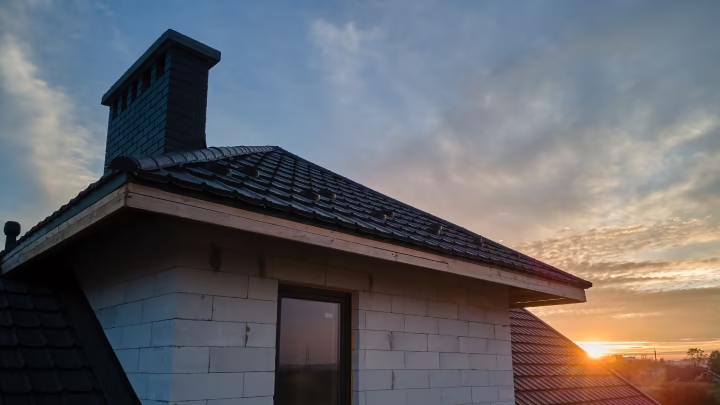
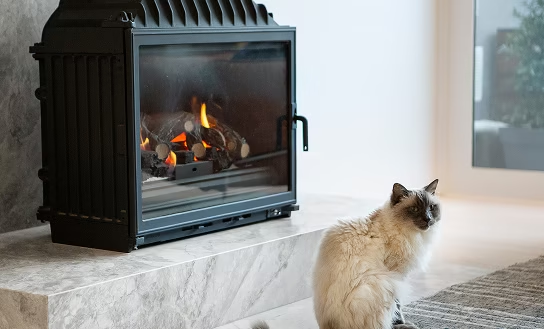
Chimney inspection for homeowners: what to check
Even if you are not an expert, there are some simple checks you can do to help ensure your chimney and fireplace are safe and working properly.
Here are some practical tips to help you get the most out of your fireplace, whether it is wood-burning or gas-fired.
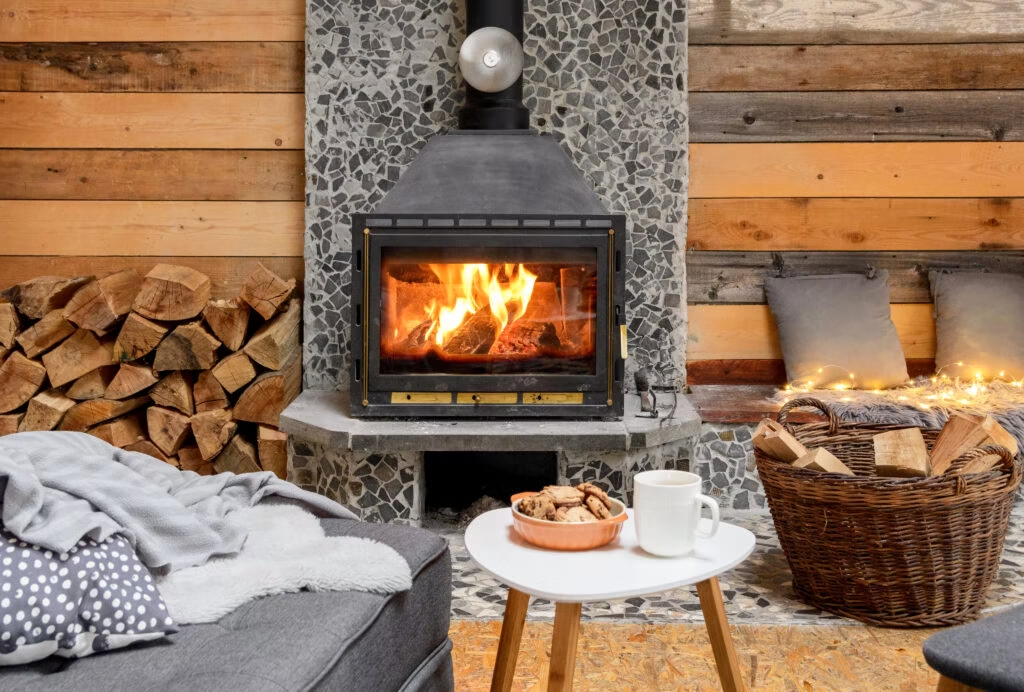
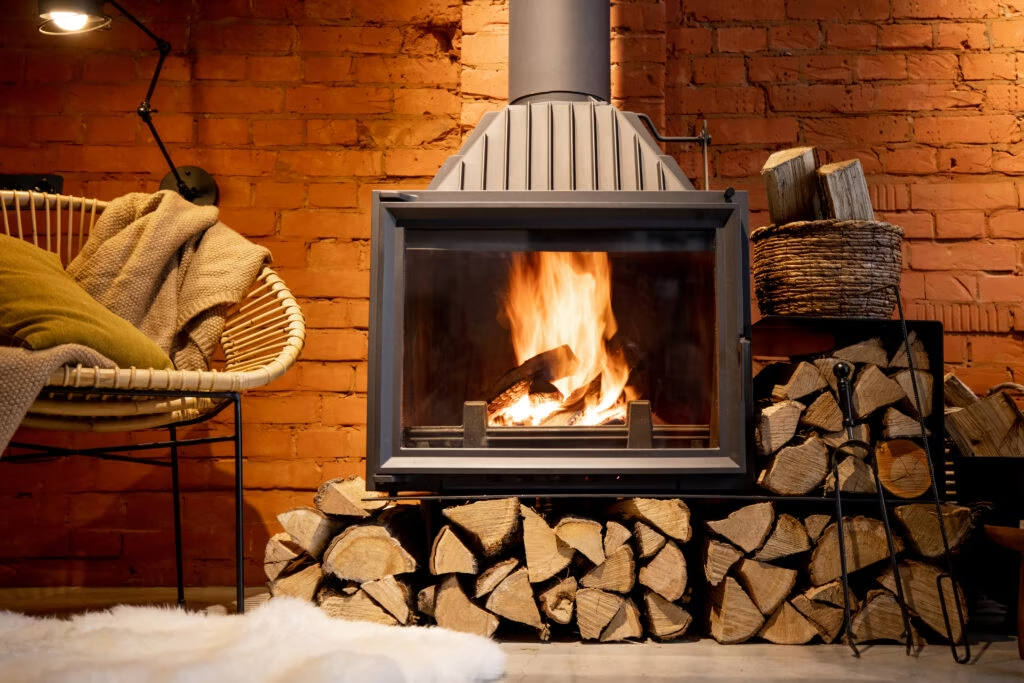

External condition of the chimney
- Check the chimney for cracks, broken bricks, or missing mortar.
- Ensure that the chimney cap is in place to prevent rain, snow, or animals from entering.
Clear chimney
- Check that the duct is clear: no debris, birds’ nests, or leaves.
- Vérifiez visuellement la présence de suie noire ou créosote : un dépôt épais et collant indique qu’un nettoyage professionnel est nécessaire.
Internal condition of the fireplace
- Check the walls of the fireplace for cracks or signs of deterioration.
- Check the connection pipe of the appliance (stove or fireplace) to ensure there are no holes or deformations.
How evacuation works
- Light a small fire to see if the smoke rises properly up the chimney.
- If smoke escapes into the room or there is a strong smell of burning wood, there is probably a blockage or a draft problem.
Presence of moisture or mold
- Look for moisture stains, mold, or rust marks inside and around the fireplace.
- Moisture can damage ducts and reduce heating efficiency.
Safety accessories
- Ensure that your smoke and carbon monoxide detectors are working properly.
- Ensure that the spark arrestor or fire screen is in place to prevent accidents.
Practical tips
Frequency: Even if you perform these checks, it is recommended that you have your chimney inspected by a professional at least once a year.
Do not dismantle the ducts yourself if you are not trained to do so: some parts are fragile and can be dangerous.
Write down your observations: keep a small notebook with what you have checked and what you have noticed. This helps the professional during the full inspection.